|
The Breadcrumbs widget will appear here on the published site.
Sewage Horrors for William Henry Harrison?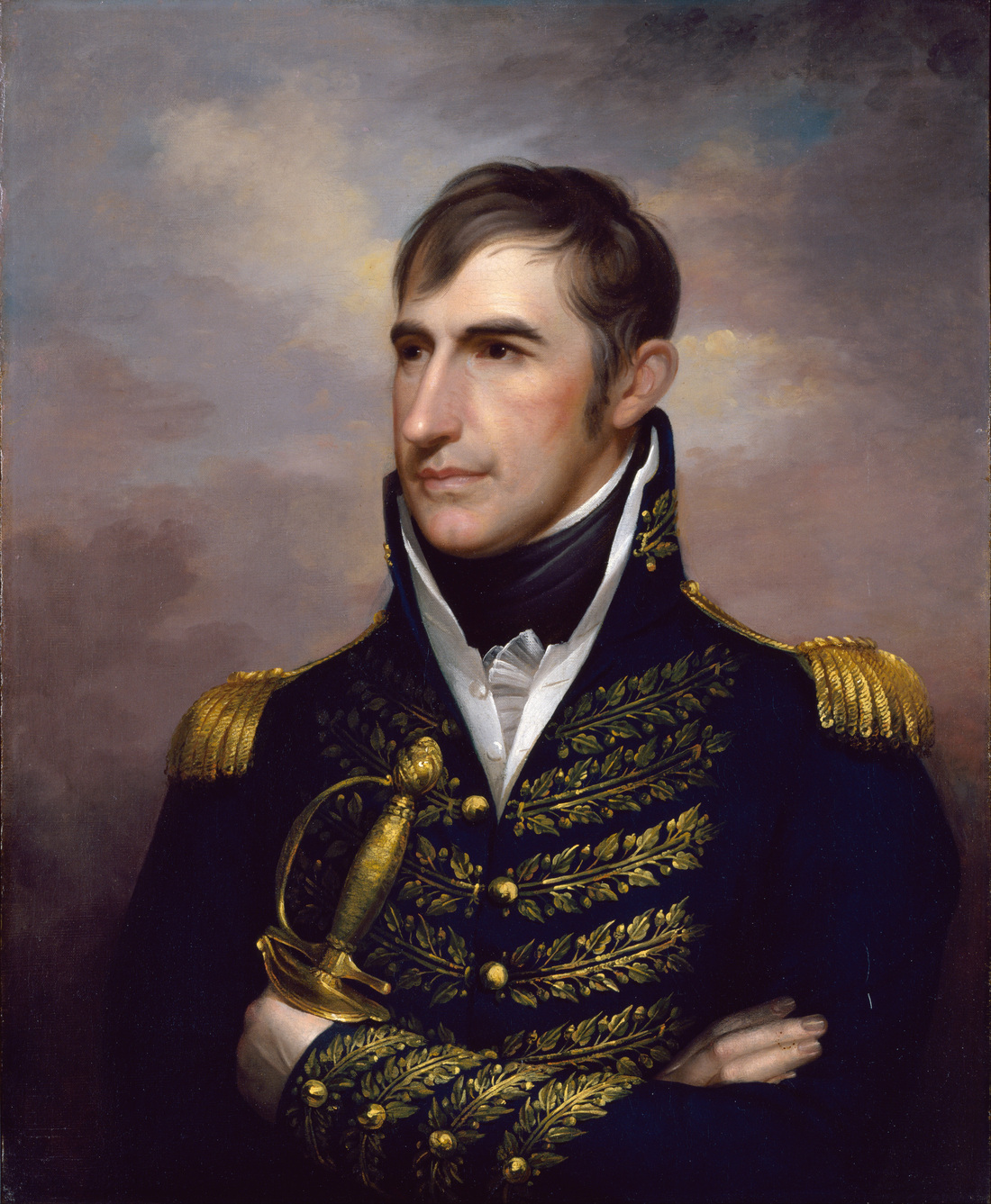 All presidents are to be pitied in one way or another, but perhaps the most tragic of them all is our utterly forgettable ninth president, William Henry Harrison. He ascended to the presidency in a relatively undiscussed era between the (dare-we-say) exciting early years of the nation and the turmoil of the Civil War. And—more importantly—he served for only one month before dying in 1841. All that fundraising, campaigning, slogan-ing (ever heard of "Tippecanoe and Tyler Too"?), debating, mud-throwing and mud-receiving, for one lousy month? What an unlucky soul.
It’s long been believed that poor Harrison died from pneumonia resulting from his exceedingly long Inaugural Address delivered in freezing, rainy weather. After said fundraising, campaigning, baby-kissing, etc. Harrison wanted to relish in his victory—and wanted to look dapper while doing it!—thus forgoing a coat, hat, or gloves. But an author of medical diagnoses, Philip Mackowiak, and colleague Jane McHugh have revealed a new theory, and it isn’t pretty.
0 Comments
The Breadcrumbs widget will appear here on the published site.
Please Stop Making Feminism All About Men By Kate Hickey QuailBellMagazine.com  How we're used to seeing Emma Watson being a badass. I admit I teared up a little while I watched the video of Emma Watson’s lovely speech at the U.N. As a life-long fan of Harry Potter, I felt an immense surge of pride for her. She is doing exactly what Hermione Granger would do. Her speech was detailed, intelligent, and passionate, and I felt the utter sincerity in her words when she said, “I care about this problem.” I felt joy and relief when she outright stated that she lives in a space of privilege. I could tell that Emma Watson knew what she was talking about and believed wholeheartedly in what she was saying. But unfortunately, this speech was not as “game-changing” as the clickbait of Internet news media led me to believe.
Much of Watson’s speech was agonizing the way it structured gendered inequalities. In particular, when Watson pointed out that freeing men from gender roles would, by consequence, free women, I was actually quite angry. Again the need to put men first—by this logic, men must be freed from patriarchy and then women can be free. No. That is not equality. That is not what feminism is working towards. Feminists are not here to free men and then be freed afterwards. It is about freeing everyone, in the same instant, from the toxic cesspool that is the gender binary. By making feminism about saving men, it inverts the entire idea. Feminism is about the equality between the genders/sexes and the reason that there is not equality is because men oppress women. They are not oppressing themselves when they reject socially coded feminine qualities like empathy, compassion, or passivity. They certainly are harming themselves, as Watson points out, but it is not the job of women to protect men from the negative consequences of patriarchy. Women already have enough crap to deal with in relation to negative consequences of patriarchy. The Breadcrumbs widget will appear here on the published site.
What the Tooth Fairy Taught Me About Feminism By Sara Leslie Miller QuailBellMagazine.com 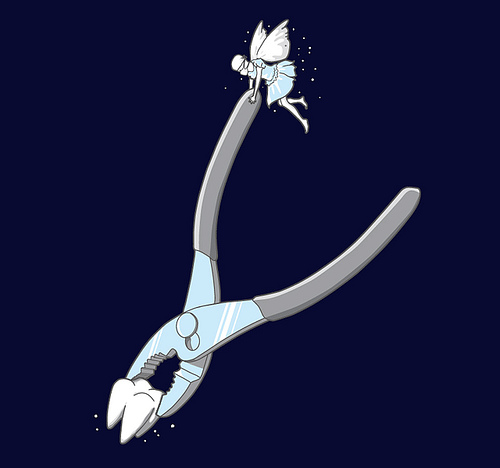 When I lost my first tooth, I expected the tooth fairy to leave me a dollar or two like she did for all my pioneering gap-toothed friends. A couple of loose teeth would trade in nicely for an after-school TCBY parfait, or so my seven-year-old logic went, because children don’t understand irony. My baby teeth were a little late to the party, but when I finally wiggled one out, I did not get a Washington or a Lincoln. Instead, the tooth fairy left me a large silver coin with a woman’s face I didn’t recognize. Because I knew my mother was the true power behind all fictional visitors, I immediately brought the coin to her and demanded an explanation, mainly, “Does TCBY accept this form of payment?”
My mother sat with me on the edge of my parents’ bathtub and proudly explained that it was a Susan B. Anthony dollar. Minted from 1979 to 1981, it was the first U.S. coin that honored a real, human female figure. (This was a few years before the Sacagawea “golden dollar.”) Susan B. Anthony was as brave and significant as any male president. She was a rebel, devoting her life to the anti-slavery and women’s suffrage movements—Look her up! She’s a total badass. The Breadcrumbs widget will appear here on the published site.
Ladies In Love By Ghia Vitale QuailBellMagazine.com  I read a remarkable article about how saying “I have a boyfriend” to deter unwanted sexual advances is counterproductive. The writer makes a good point of explaining why saying "I have a boyfriend" to ward off unwanted advances implies that you are “spoken for” as opposed to speaking for yourself. In the heat of rejecting strangers’ come-ons, I almost never contemplate the politics of what I’m saying. In that moment, I’m trying to diffuse the situation with a “whatever works” policy. I always thought of the "I have a boyfriend" excuse as a convenient half-truth since it’s not entirely false. An imposing stranger is hardly entitled to any answer, let alone a thoughtful and honest one, which would involve my elaborating upon my sexual orientation. And I admit it: I eventually started saying “I am a lesbian” after I learned the hard way that these abrasive guys mostly disregard what I now call the "girlfriend alibi."
If I tell the guy who won't leave me alone at a bar that I have a boyfriend and there are no men beside me, he’ll usually start talking about how “lucky” he is, how he isn’t there with me and doesn’t need to know, what kinds of food they'd like to eat out of my pants, etc. These lines are all pathetic attempts to convince me that I should choose this deluded crackerjack over my partner. Well, if the boyfriend alibi isn't that effective, the girlfriend alibi is even less effective. These strange men hardly ever accept that I’m with someone, let alone a female someone. But most of the time, an imaginary girlfriend simply doesn't work as well as an imaginary being that they imagine to have a penis. I have a feeling that if I were to tell these suitors about my girlfriend's penis, they would see me as more "weird" than "taken." They'd probably go on about how I haven't had "a real man" and why the live, in-the-flesh man in front of me is the perfect candidate to give me a taste of "authentic" man-meat. #cringecity Besides, to out my girlfriend would risk her life. Imagine an unfamiliar person telling you that they're in a relationship. Now, try to imagine asking them if they have sex together. I visualized this scenario and laughed because it reminds me of how children ask if you kiss your spouse. Let's face it: These guys are not asking me questions like that because they think that I might be asexual or because they have some kind of respectful intention like that. It's a rule of society that's not as unwritten as you think because it is, in fact, explicit. When someone tells you that they have a significant other, it's usually a polite way of saying "no thanks." Until monogamy stops being the norm, it's going to stay that way. The Breadcrumbs widget will appear here on the published site.
Shit My (Non-biological) Kids Say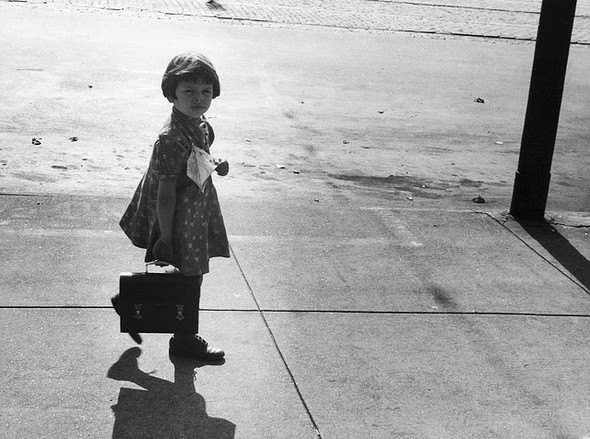 I am what I like to call a “Professional Child.” I work with kids, and I take the business of play pretty seriously. My old boss used to love to say that we get paid to play, and the phrase has definite weight. I’m in the business of fun, but that doesn’t mean all I do is giggle and supervise. When working with such raw flows of imagination, shit can get real.
There was the time a grinning kindergartner who fancied himself clever drew 9/11—a plane crashing into the Twin Towers—during a game of Pictionary, and the time another child with golden brown skin asked me, “What’s white?” in reference to race. I’ve worked with kids wrestling with culture and gender identities, kids with autism and ADHD, adopted kids and kids with parents who won’t even look at each other anymore. Kids who fight non-stop with their siblings and kids who are dealing with the everyday struggles of figuring out what it means to be alive. I've worked at a couple of private schools in different cities, both in and out of the Bay Area. Being in such close proximity to some of the most liberal and progressive minds around, you'd expect a Bay Area private school to be extraordinarily forward minded—and you would be far from disappointed at the phenomenal way some of the societal issues that accompany race, gender and sexuality are taught there. Other schools I've taught at desperately need to reimagine what an inclusive community looks like however. This past summer I returned to an old camp I used to work for out of love for my kids and coworkers. It's a camp at a school with so many aspects that I love; a school that has extended arms of graceful acceptance and I have returned that kindness with gratitude for my employment. Unfortunately though, frank discussions about the social constructs is not among the aspects that I can claim takes place there. The Breadcrumbs widget will appear here on the published site.
Hemingway and Fitzgerald in Equal Measure I first met Leonard Michaels when I was an undergraduate at UC/Berkeley. He was hunched over his desk, surrounded by untamed heaps of papers and books, a pen hovering over a manuscript. The room felt airless and hot. Still new to California, I stood before the light pouring in through the windows with something like awe. He looked up, face partially obscured by his longish, black hair. “Mr. Michaels,” I said, “I would like to take your fiction writing class…” He sat up, spoke fast, in a scattershot manner…about the amount of work he still had to do, a meeting that afternoon, his damn classes, the screenplay he was supposed to write. Then he extended his hand and asked to see my work. I handed him a five-page short story I had been working and reworking for months in preparation for this moment. As he read the first paragraph, he crossed out words, circled others, furiously wrote in the margin. Then he handed it back to me. He told me to read Chekhov, Kafka, and Isaac Babel and try him again next semester. I walked out demoralized, staring at the first page of my story. “Use active verbs,” he had written, “watch adv.,” “syntax prob.,” “redundant adj.,” “abstract lang.,” “rhythm prob.” He had read only five sentences, but hardly a word was unmarked with blue ink.
Although I did end up getting into his writing class the next semester, I almost learned more from that first brief interaction with Leonard Michaels than I did from his class. The way he deconstructed that one paragraph opened my eyes to a new world. No one had ever looked at my writing so closely, with a jeweler’s eye, attentive to every minute decision, weighing the importance of every syllable. So this is how real writers view prose? I thought. In a way, Michaels set the bar for me. The Breadcrumbs widget will appear here on the published site.
"Sí” and “Aye," Entwined  I remember sitting in my sixth grade classroom poised to take a standardized test. My big, curly hair sat in a high ponytail. My light olive hand clutched a pencil. The florescent lights might as well have been a spotlight. Before the test began, I was faced with every multicultural child's fear: the question of choosing my race or ethnicity.
My mother hails from El Salvador and my father is not too many generations removed from the Orricks who ventured from Scotland to Cumberland, Maryland in the 1800s. That would make me Salvadorian-Scottish-American, a Hispanic white-mestizo mix. But that's rarely an option on such surveys and it certainly wasn't in the year 2000. A more accurate survey would allow users to select "Hispanic" as an ethnicity and then something else as a race. There are plenty of black and white Hispanics, for example, not just mestizos—people of mixed European and Amerindian descent, the race that describes most Latin Americans. Of course, mestizo is virtually never an option. When it is, the word is usually lumped in with “Hispanic.” Not that I'm the biggest fan of such a prying question in the first place, but if you're going to ask it, at least lay out all the possible choices. As a Salvadorian-Scottish-American, the issue of “choice” is first in my mind these days. In print, on the airwaves, and online, the debates on how to handle the mass immigration of Central American children into the United States and whether Scotland should vote for independence seem to speak directly with my rational and emotional sides. And both of those sides believe that the Scotts and Central Americans deserve the power of choice. The Breadcrumbs widget will appear here on the published site.
The Preciousness of HealthEditor's Note: This piece originally appeared on The Huffington Post.  You who have only known good health gaze in the mirror to bemoan your looks. You decide your hair is too thin or dull. You think your slightly yellowed teeth disgust rather than invite. You fret over freckles and squint at other tiny imperfections until they're bloated and staggering in your mind's eye. You obsess over the nonessential because the essential is a given. Even though it's tap-dancing and clanging cymbals, you do not see Good Health. It is routine and therefore invisible.
When you are sick, you notice good health like you notice a cascade flowing in the desert. You see good health when your cough won't go away. You see good health when pain holds your whole body captive. You see good health when you are too weak to feed yourself. You see good health when you cannot walk because your feet or legs or brain won't let you. You see good health when your wrists burn too hot to type. You see good health when you cannot sleep, night after night. You see good health when you admit, perhaps through tears or screams, that you do not control your body, the whole or its parts. You see good health—aglow and glorious—on your deathbed in whatever company you may keep during those last moments. It is then that everyone seems ruddy, jovial, and especially alive, even if they are in fact sallow and grieving. You also see good health when someone you love knows poor health. A heart attack. Cancer. AIDs. Something yet unknown and for which a cure cannot even be imagined. But poor health in a stranger? Such a disease or condition might as well be an urban legend. The Breadcrumbs widget will appear here on the published site.
The 9/11 and Iraq War Generation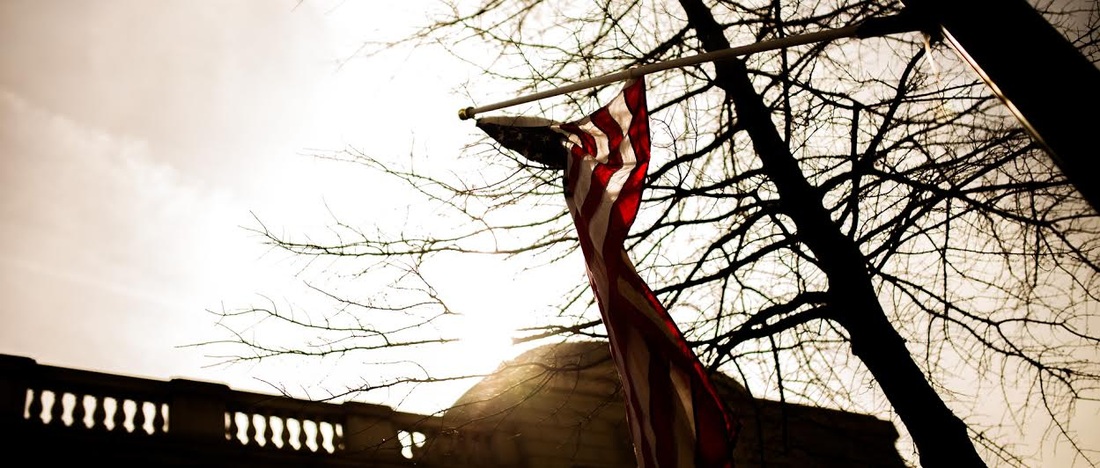 The footage of 9/11 is still one of the most frightening visuals that I have ever seen. I have only seen the full footage once, in a classroom setting, about five years after the day. I cannot bear to watch it again. On September 11th, 2001, I was 11 years old. Now I am a teacher to middle school students. My students are the same age I was that fateful day and they were all born after 9/11. One day my peers and I will be the last generation alive that remembers America before 9/11. We will be the last living Americans who can recall exactly what 9/11 was like from a child's perspective.
At the time of the first plane crash, I was waiting at a bus stop in Virginia Beach, Virginia. I went through the entire school day without hearing a single mention of what had happened. Once I got back home, my mother and brother greeted me with the news. I didn't understand what was going on. Well, to be exact, I understood the facts, but I did not understand the gravitas of the situation. To me, an act of war was a commonplace thing, having grown up seeing footage of domestic terrorism and bombings in other countries almost every evening on NBC. This just seemed like another one. As the week rolled on, I understood why it was such a horrifying event to everyone else but me. This was an attack on us. 9/11 is what taught me that there was a difference. It's hard to wrap my mind around that concept as an adult, but until 9/11 I had no national pride or sense of community with other Americans. I just thought that we all lived on Earth. When my classmates and I asked our teachers why we were attacked, the answer was simple: "They were jealous of our freedom." I ate that up. The Breadcrumbs widget will appear here on the published site.
Crisp Air and Turning Leaves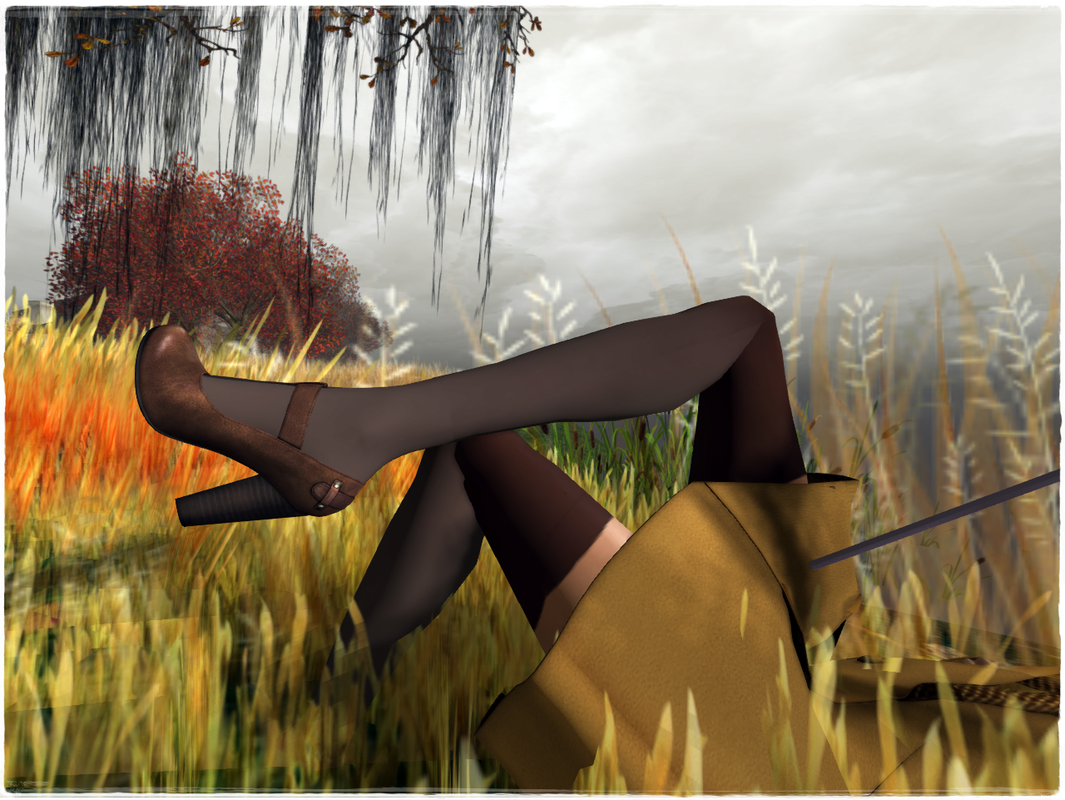 Ah Fall, the crisp morning air, the sweet breeze whisking away our humid Summer travels, the anticipation of color, of transformation, of newness. Autumn brings learning and leaving and loving, and bright trees full of Fruity Pebble colored leaves. Even if you aren’t headed back to school, the feeling of anticipation as the air changes sways you to new discoveries. With that change comes possibility, reformation, education, death and glorious rebirth.
Fall is the most wonderful time of year! The relief as days head from hot-and-hotter to cool-and-cleaner is palpable. We open our windows, put away the AC units and feel freshness renew our insides and out. The world is full of magic this time of year! As we move toward the Equinox on September 22, we breathe in the magic of the coming season. We might want to borrow from the Hebrew and celebrate the Jewish New Year, September 26, and dip our apples into honey wishing for a sweeter future. We can atone, and fast if we feel the need, and as we move forward into the magical season we prepare our spells and cast them when we’re ready. Candles burn brighter, pumpkins and spice make the air sweet and savory and we become tighter and smoother as we shed our open toes and pull on our walking boots. To help with finding your magical reality in this changing season, I’ve compiled an eclectic list of books filled with wonder, poetry, spells, and haunted places. Enjoy! The Breadcrumbs widget will appear here on the published site.
Writing Teachers I Have Known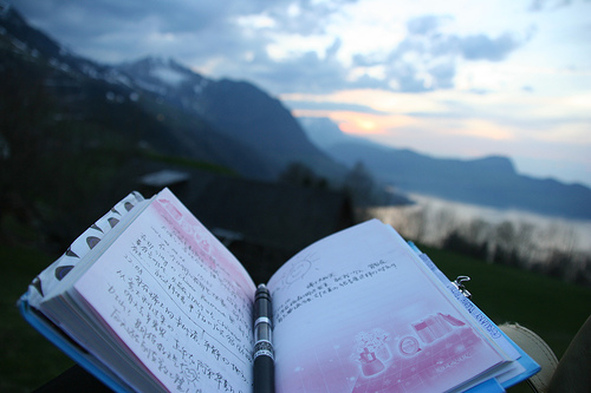 The first one I found online. She taught Intro to Chic Lit, and I signed up in ignorance and desperation. I had been writing about a mom on the Upper East Side who was losing it after having her first child.
A thinly veiled diary, but that first year, writing seemed my only defense against a well of fears I had never before suffered. In motherhood, I lost my identity and simultaneously found a new life. Nursing, singing, naming every little thing we passed. Bird, boat, tree, light. The joy of hearing her voice, as it formed, from gurgles to sounds to sentences. My experience felt singular, though universal. Writing fueled my days and helped me process the difficult parts. I would watch my child in the late morning, after playtime, for the first signs of sleep. A lengthened blink, the drooping eyelid, a mere yawn. Sometimes, I had to walk her in the stroller around the block or out to the East River and back before she’d go under, but thoughts of writing filled my mind as I paced. I’d repeat phrases like a mantra so I’d remember later when she slept. And I’d rush to my computer and pour out the words like balm for my soul. After a few weeks of virtual class, the teacher responded by email. “Chic lit is usually funny and flirtatious.” I apologized to her. To myself, I criticized my writing. It was dark and depressing, maybe even murky. But the door had opened. I didn’t turn back. The Breadcrumbs widget will appear here on the published site.
Thinking About Others, Zombies, and Painful Truths By Kate Hickey QuailBellMagazine.com 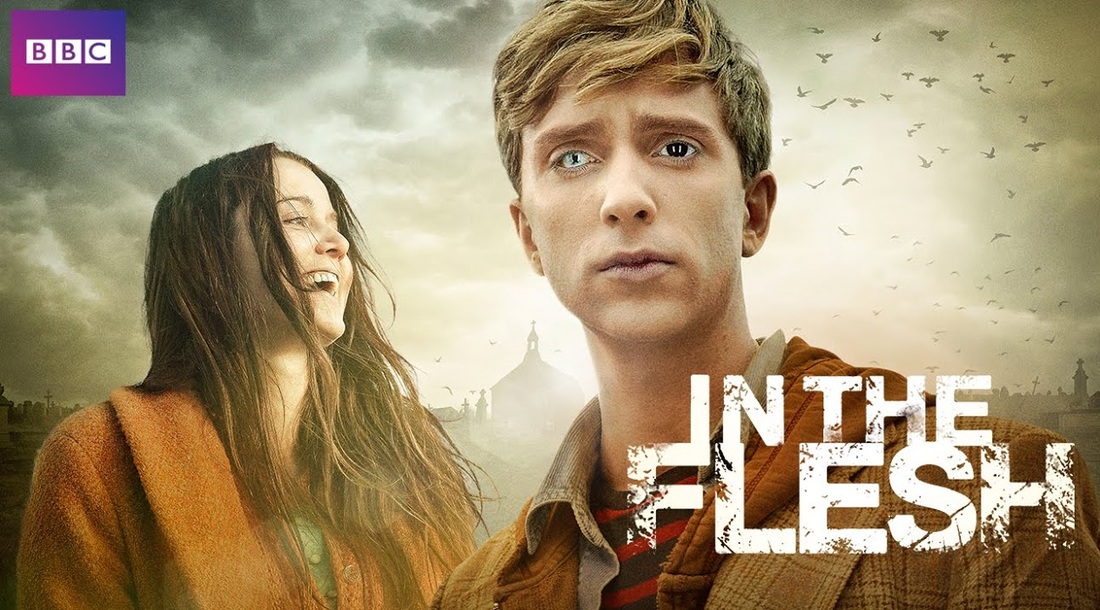 In the media these days, bigger is generally better. We want explosions. We want big budgets. We want the CGI to look like real life. And sometimes, because of that, we let narrative quality slide in favor of those technological features. There’s nothing wrong with that from time to time—I love a good, loud, CGI explosion as much as the next girl—but I frequently find myself craving shows that are smaller scale, quieter, and choose the story over the graphics. One such television program has recently caught my attention, and it’s called In The Flesh. Created and written by Dominic Mitchell for England’s BBC3, In The Flesh has become pretty popular in recent months, but it still has a long way to go before anyone would consider it a big part of the mainstream media.
In The Flesh takes place in the fictional village of Roarton, a small, rural community in England, and the tensions in the town are running high as the show opens. This is because the rehabilitated, medicated, Partially Deceased Syndrome Sufferers are being reintroduced into society for the first time since the Rising ended. In a nutshell – zombies are back in town. Humanity faced the zombie apocalypse and it survived. In The Flesh begins post-post-apocalypse. In The Flesh tackles some tough topics both beautifully and subtly. The people of this world have accepted the fantastic into their mundane lives, and what’s amazing is that the fantastic does not eliminate the ordinariness of these people, for better and for worse. The Partially-Deceased Syndrome serves as a metaphor for any kind of Other, anything that makes someone “weird” or “abnormal” or “wrong” according to what the society at large has deemed the standard. The PDS Sufferers in Roarton deal with slurs, segregation, and violence from the rest of the community. They wear make-up and contacts in order to hide their true faces, not only to keep themselves safe from attacks, but also because of the self-loathing that comes from being the Other in a community. The Breadcrumbs widget will appear here on the published site.
Grief Turned Driving ForceEditor's Note: Fight Against Bullies, also known as F.A.B., was created originally as a capstone project for founder Gillan Ludlow's graduate program. The mission of the project was raise awareness about cyber bullying and self-harm such as physical mutilation and suicide among adolescents. Here is one post from the series: 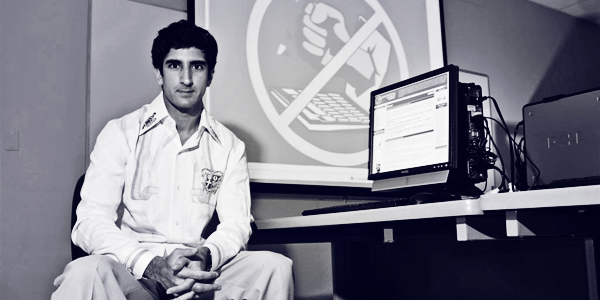 Sameer Hinduja, author and professor for the School of Criminology and Criminal Justice at Florida Atlantic University, was victim of traditional bullying while he was growing up.
“I grew up very introverted and shy and bashful,” Sameer said during a phone interview. “I had all of these very nerdy qualities I guess, so that gave ammunition to my peers to give me grief or make fun of me. I was just a late bloomer and that’s just how it worked out…When you’re in the middle of it [adolescence], you’re trying to figure out who you are, how you can get people to like you and be interested in you and want to date you; and when you feel rejected and isolated and you don’t really fit in, it’s really really rough. It takes over your life and it’s not something you can compartmentalize.” The Breadcrumbs widget will appear here on the published site.
Questionable Club Culture By Rose W. Hart QuailBellMagazine.com Editor's Note: This open letter addresses an incident that took place at Fallout, a fetish club in Richmond, Virginia on August 30, 2014 but, due to its nature, is of national concern and inspires the sort of conversations The Quail Bell Crew believes should take place all over the world. 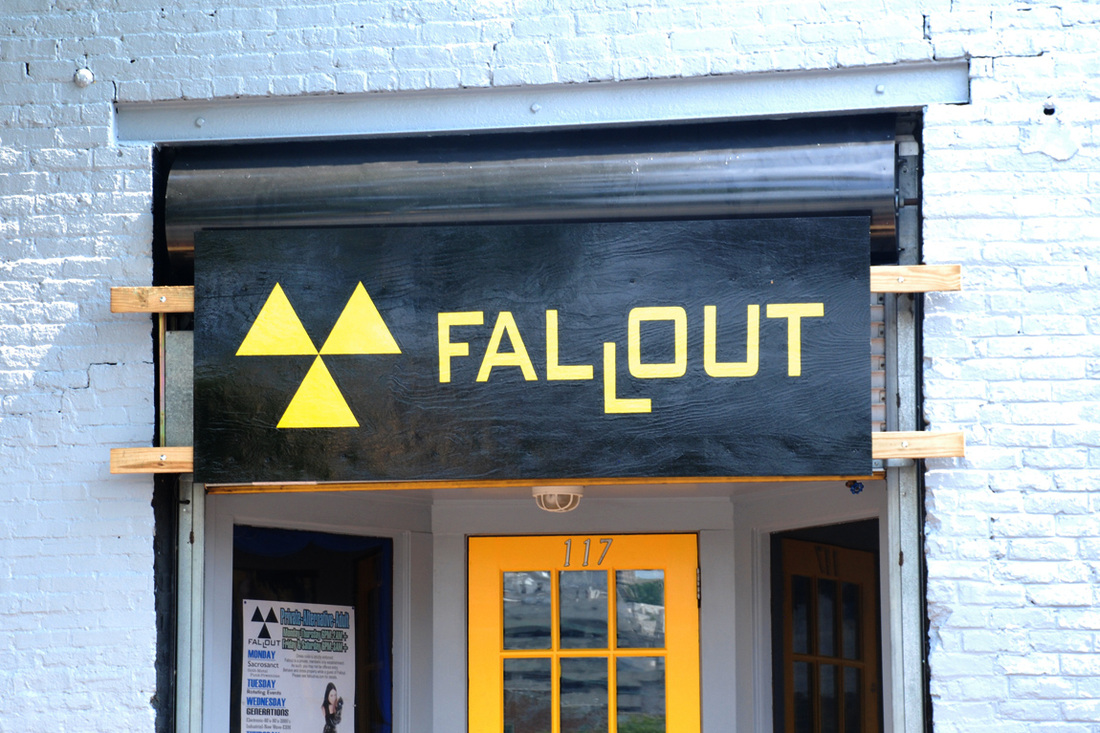 Photo: Shockoe Design Group. I’d like to say, first and foremost, that I love Fallout. Richmond's only serious goth and fetish club is one of the first places I felt safe expressing my queerness, my kinkiness, my gender identity. They elected a transwoman as Miss Fallout in 2010. They had an explicit “no touching without consent” policy. They had a mixed drink named after the community’s favorite lesbian couple. I knew that these were the kind of people I could be safe around, people who got it. And so it pains me to say what I have to say next. What happened there on August 30th makes me question whether I ever want to go back again. For those of you who don’t know the story, here are the basics: 1. It was Doomsday, a local favorite event that brings in a lot of new people every year. It’s an End of the World party, with lots of dancing and craziness. A great time all around. 2. The theme this year was some kind of unspecified Intolerant Apocalypse. In past years, themes have included raptures and zombies. This year, the theme appeared to be something along the lines of Fourth Reich. It’s unclear whether or not the club’s owners and employees knew about this in advance, but volunteering regulars made the decorations, including several signs. 3. Normally when the club does events that might be...uh, scary for some people, they advertise heavily what the theme of that night is going to be. If it’s medical play night, they plaster up some warnings. It’s a fetish club, of course it’s going to have themes that not everyone is comfortable with. But… The Breadcrumbs widget will appear here on the published site.
Hot Tea and Kullaj  Lured by the glowing red store signs, I pulled into the dim parking lot. I sat for a minute after parking and scanned the scene. A couple of groups dined outside. Taxi drivers stood by their
cabs, talking, laughing, and smoking. Although I was far from alone, I expected to see more people milling around. The shopping center next door had been teeming with customers busy with their back to school rounds. While casually walking about, I had nearly bumped into overwhelmed mothers on two or three separate occasions. Here, there seemed to be more cars than human beings. The businesses must all have backrooms and basements, I told myself, or these are mostly employees' cars. At 9 p.m. on a Friday, the small suburban shopping center should've been pulsing with excitement. Known for its Middle Eastern businesses, the shopping center sat right next to a mosque and several apartment buildings full of Muslim families. That night the shopping center pulsed with a different kind of energy, one I could not yet articulate. I grabbed my purse and stepped out because my stomach had reached the end of its patience. The last days of summer were upon us. Clouded by lights, I couldn't see a single star in the sky, which made me think of how some of the patrons might've grown up in the desert, far from any city. The parking lot wasn't filled with sand, just grit from the road and people's shoes. Since there were a couple of restaurants open, I wanted to consider my options. I went into the lobby of Jerusalem Cafe and picked up the paper menu. It was full of enticing photos of dishes I could practically smell. I barely had a chance to read when a waiter opened the inner door and said, “Don't think twice about it.” He grinned. In any other situation, I might've thought he was flirting with me, but the restaurant was clearly desperate. I peered inside. Only two tables were occupied, each with three or four people. I was the only one in American clothing. That might not be unusual in other places, but I live in a very international region where it's common for people of different races and cultures to mix. Shaking my wave of self-consciousness, I placed a take-out order for beef shawarma with fries. The Breadcrumbs widget will appear here on the published site.
Jazz Manouche at L’Atelier Charonne 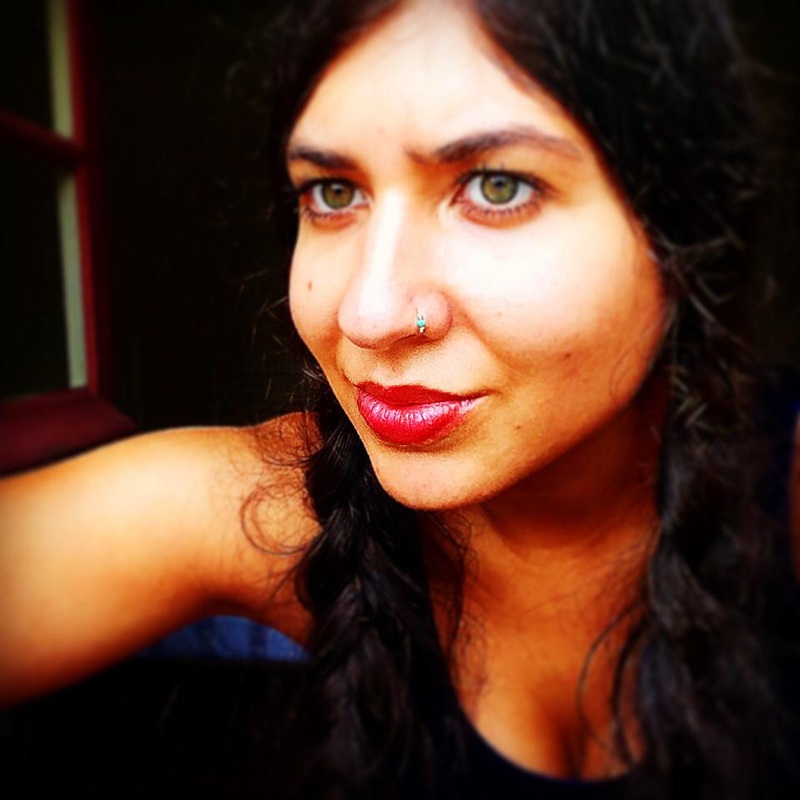 …But now, I am where I dreamed I would be: L’atelier Charonne. Tonight is Jazz Manouche Piano and I have a glass of red wine that I am too stupid to spell…The band reminds me that I know nothing—it sounds like they’re unraveling melodies like biologists unravel DNA.
Writing may not always be stable or always pay the bills, but if you’re doing it right, it can bring you to beautiful places for “research.” I realized early on that I ought to write about what I care about, and consequently my novel is about a half-Romani (Gypsy) dancer and fortune teller working at a Parisian circus and her strange journey to Nazi hunting. It’s mostly set in the 1940’s and 1920’s, and while I can’t go back in time, I can absolutely go to Paris. I had just finished a very gratifying Writing and Yoga Retreat, as both a participant and a visiting professor, with the Cambridge Writers’ Workshop at the Château de Verderonne in Picardy, France. My brain was ticking over with ideas for the novel, and Geoffrey, the cab driver with the long blond ponytail and a penchant for dance music, was bringing me to Paris for five days of research. I had only one plan: going to the same bar single every night, L’atelier Charonne, where there’s Jazz Manouche at 9 p.m. every evening. Manouche is the name of a Gypsy clan prominent in France, and the French Jazz movement was spearheaded by revolutionary Manouche musician Django Reinhardt, whose black and white portrait hangs on L’atelier Charonne’s wall. And this is where I would write, every night, lit by candles, music, and the ridiculously beautiful bar staff. Writing about my Romani heritage is both an act of pleasure and an act of necessity. Honoring and rediscovering my culture’s beliefs, history, music, food, dance, art, and fashion (and fashion politics) feels like self-love. But there is also the nervous need to explain—not just to explain myself or this part of my family’s culture, but to explain the current human rights crisis. Expressing this pain feels like life or death. The Romani people are an ethnic group originating in India around the 11th century C.E., and since the early Roma left home, they have endured persecution so severe that it gave rise to Roma’s traditional nomadism. All over the world (including the U.S.A.), Roma are illegally deported, forced into camps with poor sanitation and shoddy shelters, segregated in schools, forcibly sterilized, banned from shops and places of work, targeted by hate crimes, human trafficking, and slavery. And this violent prejudice and persecution has been raging for centuries, many people only know of Roma through stereotypes or misrepresentations (like reality TV). The Breadcrumbs widget will appear here on the published site.
Typewriter Envy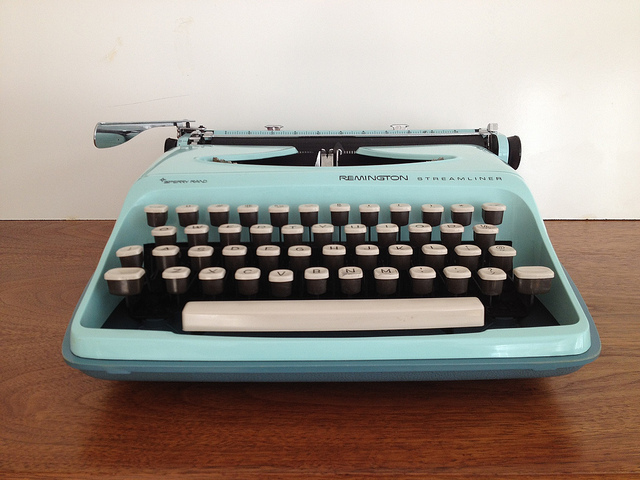 As a kid, perhaps inspired by Nancy Drew, I loved wiping away thick layers of dust from the obscure objects I found beneath the floorboards in our attic: grandpa’s baby shoes, a jewelry box filled with my mom’s lost infant teeth, an engraved hand mirror. I believed that there were stories hidden in these things from the past, stories that begged to be written.
One day, I went searching for a story in our front hall closet. The closet, more Alice in Wonderland than Nancy Drew, is like a rabbit hole because it is under the staircase. The deeper you go in, the farther you must scrunch down. The ceiling runs a sharp diagonal to the floorboard. It was there, in the back of that messy closet, that I found a very important thing of the past: A typewriter! (An electric typewriter, circa 1979, but a typewriter no less.) And I started hammering away. My thoughts appeared in black and white, immediately, as I thought them. I started stamping out my own memories and stories. Click click click click click. I liked to roll my stories back down and re-type over what I had already written. Each letter had its own stamp, its own fresh ink. Language became visible and tangible. Click click click. I was in love. Yet, just like every game one plays as a child, I eventually lost interest in the typewriter. It was my Velveteen Rabbit. I ignored it for American Girl dolls, a new bicycle, my Easy-Bake Oven. It might have run out of ink or just stopped working altogether. I can’t even remember now. The Breadcrumbs widget will appear here on the published site.
Gaming = Girl Power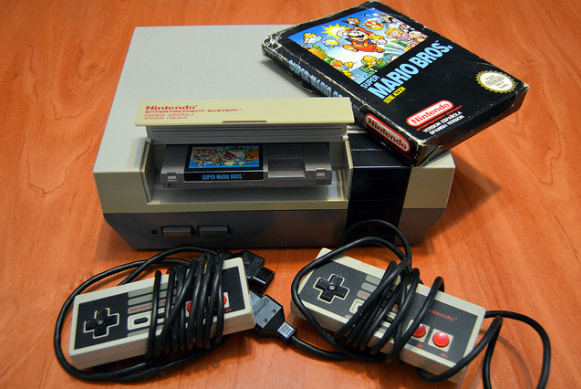 Photo: Emilio J. Rodríguez-Posada As a video game-bred child of the 90’s, when it was still PC to save princesses and have a five-to-one ratio of male to female characters on Maniac Mansion, I was pissed off. My favorite game wasStreet Fighter—I could play until my thumbs were sore and my eyes dry from forgetting to blink—but I resented having only one suitable choice: Chun-Li. She had a few kick-ass moves and I didn’t always mind playing her, but I did mind having no other appropriate options. Cammy, Elena, Juri—they didn’t come until later. I dreamt, I waited, and sometimes prayed (recovering Catholic here) for Nintendo to change things up. To let Princess Peach fight alongside Luigi and Mario, or without them, whatever. But not even Toad was a real player. I figured they had something against short folks too. I didn’t care if I got the up-up-down-down-left-right-left-right-B-A-B-A-select-start cheat. I didn’t want 100 lives. I wanted a badass, machine gun-toting, fatigues-wearing, muscle-sporting chick to play with. Sure, Sheena came along in the fourth version, but I still don’t know how the hell she kept it together with that bathing suit armor, those thigh-highs, and that long, luscious mane of hers. The Breadcrumbs widget will appear here on the published site.
Where's Walden? By Sarah Schwister QuailBellMagazine.com  Walden is an American book written by noted transcendentalist Henry David Thoreau, a reflection upon simple living in natural surroundings published in 1849. It was an experiment where he lived a couple miles from the town and his parents (so not literally in the middle of nowhere) and the experiment would go on for two years and two months (and two days):
"I went to the woods because I wished to live deliberately, to front only the essential facts of life, and see if I could not learn what it had to teach, and not, when I came to die, discover that I had not lived." The book goes on to describe obstacles that he faced, responses to the townsfolk who could not understand why he went out or what he did all day, and a social and philosophical mediation of his time “off the grid.” He lived the pioneer life, being supported by no one and working with only his hands and the land—growing his own food, producing his own heat, and building his own house(or at least that was his intention). He took trips to town, but more for the trip itself than necessity. But, as the townsfolk were constantly inquiring, is why? Why would you choice to live off the grid, and how can you live out of society like that? Thoreau quickly states that his living in nature was purely an experiment and in no way permanent, he does continue to tell that the reasoning for his move is that people lead superficial lives. We all used to lead simpler lives, with gardens in the backyard and walking to school, and his argument is there is still a virtue in that life. Excess possessions not only require more work to purchase them, but oppress us with worry and material constraint. The Breadcrumbs widget will appear here on the published site.
Your Grief in Print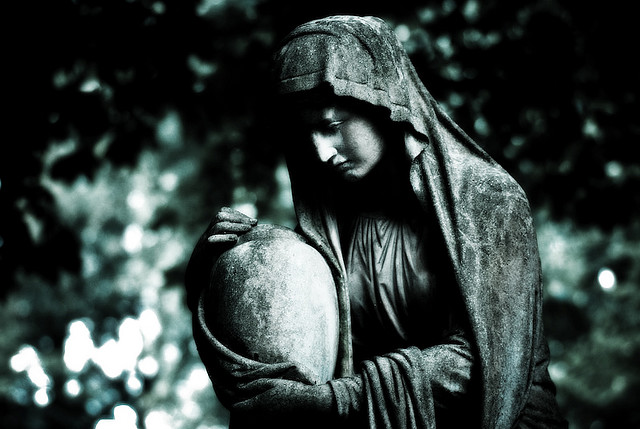 My sofa is my habitat. If a five-year-old might draw a tiger lurking through a jungle or a shark prowling a coral reef, that same child would draw me sprawled out on my red-orange sofa bed, with my laptop, books, or drawing board. Yes, I have a desk. Yes, I have a work table. But my favorite place to dream and write and binge on Netflix is my sofa. It's the same place where I choose to relax after a long day of work.
On Tuesday, August 5th, I retired to that same predictable spot. I had spent the morning writing articles and press releases for clients and the afternoon teaching a writing workshop to children. That evening, I had another short assignment due. I thought I would eat a quick dinner and clack away until I could finally have some fun. Instead, I received an email that ruined my night. A major tabloid wanted to know if I was available to work. The assignment? Interviewing the widow of the highest-ranked military officer killed in combat since the Vietnam War. This widow was practically my neighbor, living at most a five or ten minute drive from my apartment. The money was more than good; it was great. Yet my answer was no. Grief may be private or it may be communal. Either way, it is a personal emotion, experience, and era that you either choose to share or not. If you choose to share your grief, chances are you will only entrust your closest friends and family. You will not appreciate a stranger knocking on your door, asking you how you feel, and snapping a picture of your devastated expression—all within hours of your husband's tragic ending. You will either choose to go about your normal day with as much poise as you can muster or lock yourself away from the public. Your choice should not be the topic of any publication anywhere, unless you choose to write a personal essay or poem, which, again, is your choice. Otherwise, it is not a topic suitable for public scrutiny. The Breadcrumbs widget will appear here on the published site.
#TheStruggleIsRealWork. We all gotta do it (except, of course, for the independently wealthy, but there are more productive things to do than seethe over their lifestyle.) For many professionals, the trajectory is clear: If your lifelong ambition is to become a lawyer, you go to college, take the LSAT, go to law school, and start practicing law. If you dream of becoming a doctor, you go to college, take the MCAT, go to medical school, complete your residency, and off you go doctoring. Should you wish to become a teacher, you go to college, and, depending on the state, take the Praxis, go to grad school, student teach, and earn your certification. Are you noticing a pattern here? No such pattern exists for the artist. 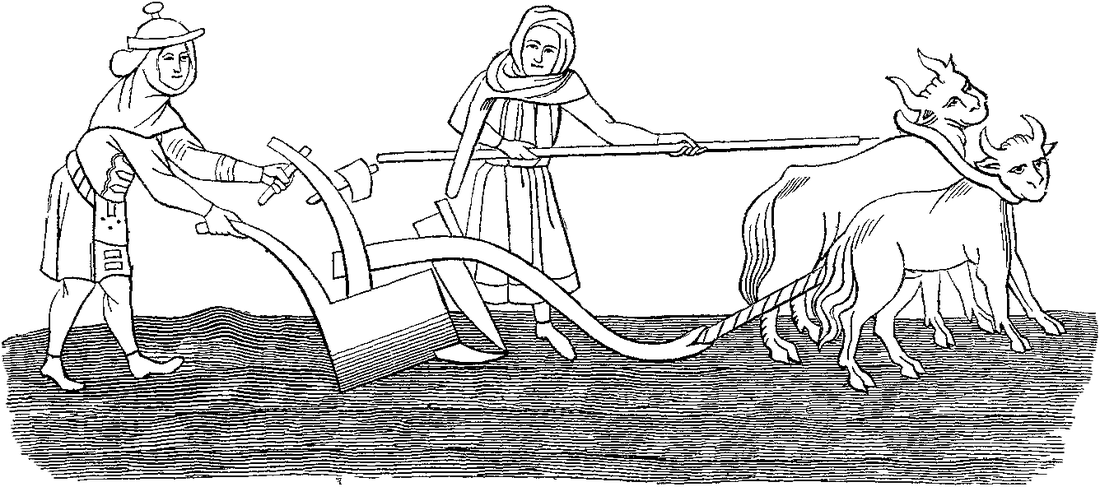 You can become a "successful" artist with or without high school, with or without college, with or without post-graduate exams, even with or without actually making money from your art. You may be surprised to learn how even many popular novelists and independent filmmakers have to do something other than write novels and make films in order to survive. In fact, most artists do not make a living off of their art. They may make a living using their creative skills—such as a talented writer who writes riveting press releases or a talented painter who makes beautiful illustrations for ads—but most do not pay the bills from their purely artistic projects. It's really hard to sell enough poems or oil paintings to make rent month after month, year after year. For that reason, many artists go into journalism, advertising, public relations, academia, and similar fields. Others go into something else altogether.
We asked a few members of The Quail Bell Crew what kind of art they make and what they do to get by. Here's how they responded: The Breadcrumbs widget will appear here on the published site.
10 Fun Idioms en Español By Colleen Foster QuailBellMagazine.com  Language plops down at the playful intersection of art and science. Whether it’s English or German or Mandarin, it’s ever-evolving: Slang emerges and fades out and comes back around again as retro, certain syntax becomes obsolete via repeated error or sometimes just sheer laziness, and creative turns of phrase become norms. Oh, plus regional differences. (Are those “sprinkles” or “jimmies” on your cupcake?) All this is why you are never “done” learning a language per se.
As I’ve told my Spanish tutorees, there is no fluency fairy who comes down and taps you with her magic wand so you can finally kick back and breathe in the golden dust of Being Fluent. There is no finish line, nor a time where you quit botching a language on a daily basis. I have well over two decades as a native speaker of English and it is a given that every single day I will a) encounter a new word or phrase and b) say something that makes it sound like it’s my twentieth language and I learned it locked in solitary confinement watching Teletubbies. (Just watch, undoubtedly there will be something along those lines in this article.) But the never-ending aspect of learning to speak, read, write, and listen in a language is what makes it such a rush. And one of the highlights is the quirky idioms, or commonly used figurative phrases. Here’s some goodies from the idioma (a Spanish word meaning "language," not "idiom": HA, false cognate!) of Spanish. 1. Con las manos en la masa Most angloparlantes--that’s you, gringo--would say something along the lines of “caught red-handed.” Not surprisingly, this conjures up images of Lady Macbeth scrubbing her hands raw post-murder. Or maybe with her hand in the cookie jar. But when an hispanohablante is caught doing something against the rules or downright illegal, they’ve been discovered con las manos en la masa, or “with their hands in the dough.” Interfering with the bread before it makes its way to the oven. The Breadcrumbs widget will appear here on the published site.
Never Let the Trolls Win By Fay Funk QuailBellMagazine.com 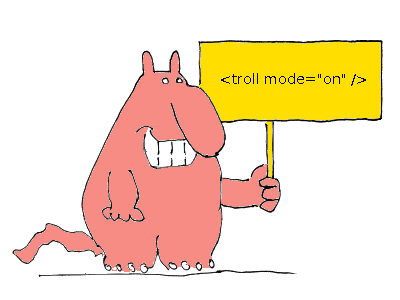 I break the first rule of the Internet: I read the comments.
Why? Because the comments are often the best part of an article. Intelligent, thoughtful commenters provide deeper insight and alternative perspectives on a good article, and are hilarious and validating on a terrible one. Much like Twitter, the comments section can provide up-to-the-minute news on a breaking story and correct errors within the article. In short, the comments are as important to the article as the content of the article itself. This is new for the news. In the past, news and articles were mostly stand alone pieces. Any response was word of mouth, or an editorial published much later. You heard from a limited number of voices. Now we can instantly hear from a variety of people on any given topic, and this is good. This makes the news more accurate and more interesting. I’m fairly picky about the blogs and websites I read regularly. For a long time it was Jezebel and XOJane, back when XOJane was worth reading. Now it’s just Jezebel. Jezebel has changed a lot over the years, but for me it’s always been a source of entertainment, and often my primary news source. I have a bias after all. I’m a woman and a feminist, and if I’m going to get information it may as well come from a source that shares my bias. The same facts will all be present, and I’m going to have the same opinion of Hobby Lobby or whatever else is going on whether I hear about it on Jezebel or Fox News. And of course, I love the comments on Jezebel. They are usually well-written and intelligent. After the Hobby Lobby verdict came down several commenters took the time to explain some of the legalese and the immediate effect of that verdict on women. Just after news of Robin Williams’s death came out a commenter on Jezebel posted an update with a statement from Williams’s wife, sourced and ready to be added to the body of the article. The Breadcrumbs widget will appear here on the published site.
Modernizing and Racebending Annie is a Great Idea By Kate Hickey QuailBellMagazine.com We all know the "Tomorrow" song. There’s a dog. The themes of family and positivity. That’s what everyone loves so much about Annie: the ceaseless optimism of children, people who haven’t been beaten down by the world into borderline-religious cynicism. Annie is the little girl that reminds everyone that even with all the hurt in the world, there is always a reason to smile and have hope.
This adaptation looks like it’s going to be perfect. With stars Jamie Foxx, Cameron Diaz, Rose Byrne, and Quvenzhané Wallis as the titular Annie, the casting of this movie looks exciting, dynamic, and diverse. Actually, hold on, let’s talk about Quvenzhané Wallis for a moment. Did you know she’s the youngest actress ever to be nominated for an Academy Award? She was nominated in 2013 for Beasts of the Southern Wild at age nine. That means that this girl is probably the best little girl in the business to play Annie! Wouldn’t you agree? So, if that’s true, then why is there so much backlash and negativity surrounding this production of Annie? Hm. I’m betting it’s because they’ve turned sweet, freckly, ginger, white Annie black. As a matter of fact, I’m not even betting. I know it’s true. Here are some of the comments on the YouTube video of the trailer for this movie: The Breadcrumbs widget will appear here on the published site.
Ravished by Ravishly.com!Oh, Quail Bell(e)s—you know you're always the first to learn about our latest delights. Right now The Quail Bell Crew is crushing hard on Ravishly.com, our newest sister publication. You've probably already noticed some healthy content cross-pollination with several of their pieces appearing here on the ol' QB and a few of ours appearing over yonder, too. Earlier this summer, I emailed Katie Tandy, Ravishly's whip-smart editor-in-chief about the budding publication. Did I say budding? More like mushrooming. But enough about what I have to say about Ravishly. Why not have Ms. Tandy spin the yarn? Here's what she has to say about the website with a violet fox for its logo: 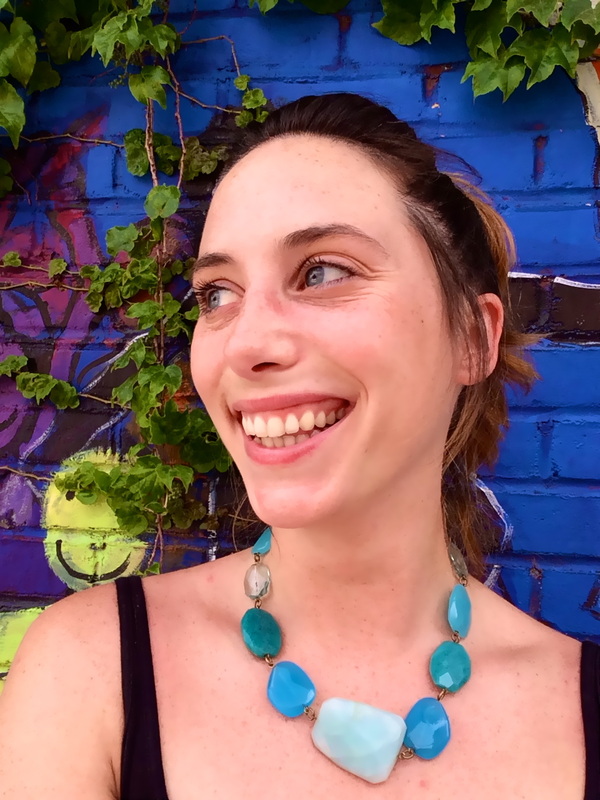 Smart and pretty, Katie Tandy herself. Give Quail Bell Magazine readers a sense of Ravishly's riveting history. What was your role in the website's early days?
Truthfully, Ravishly has evolved quite a bit over the past six months. At the time I was working as a freelance arts and culture journalist, doing some local reporting for the East Bay Express and SF Weekly in addition working as a content marketer for a supercool software start-up, Sparkcentral. When Sparkcentral (then TwitSpark, ha!) first started, I was with these three guys in a small sweaty room and watched the company grow into a 15-person juggernaut with a huge office beside Union Square in San Francisco. I became totally smitten with the start-up world; it truly feels like this neo manifestation of the American dream. Amazing ideas get to be actualized instead of languishing inside a notebook somewhere. Anyway, about seven months ago, I answered a rather nebulous Craigslist ad (as many of our core members did) that was searching for writers and editors to help found a brand new website dedicated to women. After months of wrestling with different models, names and honing our team of writers, we finally launched Ravishly this past February. |



© Quail Bell Press & Productions, 2024. Founded by Christine Stoddard. Based in Brooklyn. Contact us.