|
The Breadcrumbs widget will appear here on the published site.
Peter Rabbit & the Invention of the Storybook By Julie DiNisio QuailBellMagazine.com 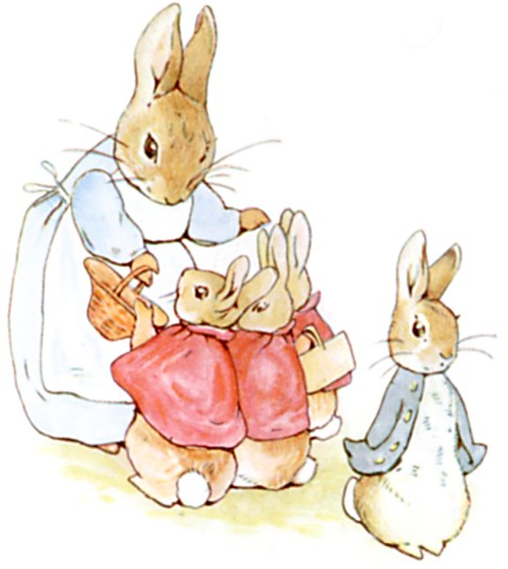 Children’s books have come a long way over the years. Believe it or not, in the past, you couldn’t just walk to the second floor of a Barnes and Nobles and be greeted with an entire section devoted to this particular genre of literature. Actually, it wasn’t even considered a genre. The books set aside for children were mostly educational or religious and were usually just preachy attempts at getting the little readers to properly behave.
Now, it’s an entirely different world for children’s literature. The aforementioned section of Barnes and Nobles does exist. Richmond’s Virginia Commonwealth University even offers a class devoted to the subject (which I have the distinct pleasure of taking this semester!). Beatrix Potter was one of the leading figures in the children’s literature revolution that has occurred in the past one hundred and fifty years. The Breadcrumbs widget will appear here on the published site.
Introducing 'Fairy Food' By The QB Chef QuailBellMagazine.com Coming soon: recipes for simple, all-natural recipes all done according to taste. That means sans measuring cups! Welcome to the world of fairy food.  The Breadcrumbs widget will appear here on the published site.
Mistress of the Dandelion Dragons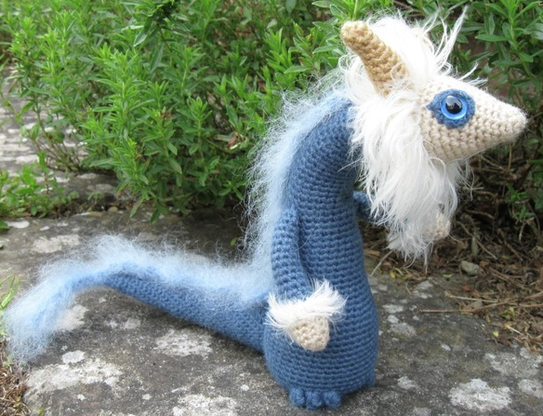 Tell us a bit about this sweet, funny creature. What inspired you to create him? And how did you make him--magic?
This is a Dandelion Dragon, so named because of the pale ruff around his neck. Small but venerable, he lives a peaceful life contemplating nature. Despite his age he is very curious and uses his long neck to peer about him. A lot of my inspiration comes from nature and the things I see when out walking: roots, branches and rocks form interesting shapes that make me think of creatures and I end up wanting to create them. For example, there are trees at Petworth Park that are wonderfully knobbly and seem to have features, and another with a broken branch that looks just like a dragon. I love the sinuous shape of dragons and I wanted to make one that seemed thoughtful and curious rather than fierce. The Breadcrumbs widget will appear here on the published site.
Gothy Readin' By Sandra Scholes QuailBellMagazine.com  As an alternative magazine for the Goth culture Meltdown (ISSN 1473-9607-04) brings much more than just the scene itself; there are articles on the clubbing scene, music, fashion and artwork. There have been interviews with cult director Tim Burton, The Damned, former eighties band, Goth Minister, and NFD’s Tony Petit, formerly of Fields of the Nephilm.
Meltdown also gives the discerning Goth a look at the latest fashions and make-up around and in one issue they even recreate the cover photo’s model look, mentioning the brand of make-up used so the reader can copy the look for their Friday night out. It does flesh out the pale look that was mostly used by Goths in the eighties to great effect. The clothing on show is in bold, dark colours associated with the scene and modelled by some of the most intense girls who show off the garments with their dramatic stances. Think frills, lace and velvet and you won’t go far wrong. The Breadcrumbs widget will appear here on the published site.
A Quick History of The Smurfs By Ani Mikaelian QuailBellMagazine.com  This summer was set for a change of color, and it was the Smurfy shade of blue. The majority of today’s films owe their credibility to books or comics. Whether it is Spider-Man or Harry Potter, the quality never seems to dwindle and novelty never seems to wear off. Surely an already-strong fan-base from the books and comics is somewhat responsible, but there is also the thrill of change and adaptation of the original to take into consideration. The Smurfs have been around since 1958, originally published in Dutch, French, and German magazines. Pierre Culliford, known under the alias of “Peyo,” was responsible for the creation of the Belgian comic strip, The Smurfs, that had a regular series of twenty-seven to its name. The Breadcrumbs widget will appear here on the published site.
Ghoulish What's coming to Quail Bell this fall? Morbidity!  More death!  More ghosts! The Breadcrumbs widget will appear here on the published site.
Wonderland in Blue By Doe Deere & Grenouille QuailBellMagazine.com Inspired by Rihanna's music video for "Only Girl (in the World)":     The Breadcrumbs widget will appear here on the published site.
Paganism, Spirituality, Fairies--ALL IN ONE! By Sandra Scholes QuailBellMagazine.com    On first looking, The Magical Times Magazine is a treat for the eyes as the senses are swamped by the sheer amount of data. The color of it has been created in pleasing emerald greens and pink hues. It has plenty to look at without being too cluttered by information on the various magical topics on display. As well as the usual information it also tells the reader of the previous issues on offer.
The Breadcrumbs widget will appear here on the published site.
Chariot of the Eastern Seaboard By Luna Lark QuailBellMagazine.com 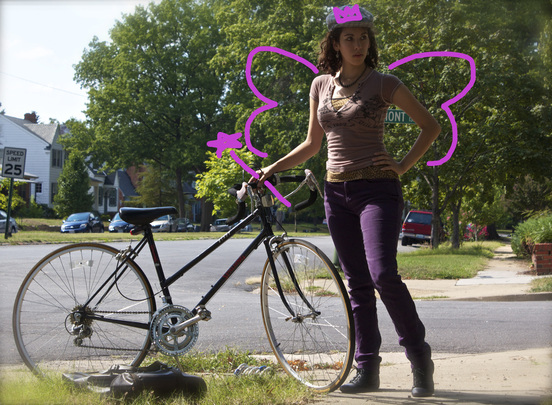 Coconut juice is refreshing except when the meat bits make you feel like you have a mouthful of baleen. Such was the case in Manhattan Chinatown that July day—I was a humpback in a sea of sharks. All those New Yorkers swimming through the fish-smelling crowds with toothy smirks of authority. I wanted to bite not just coconut meat but the whole situation hard. If I were Jaws, I could've massacred the situation. Instead I was on my way to going from whale to Jonah: swallowed.
My tongue fluttered over my left canine and scraped away a piece of fruit flesh. Then I chugged the rest of the juice and whipped out a straw to suck the remaining meat bits. Even after crushing the can, I felt no relief from the sun or my sweat. The sidewalk burned the soles of my shoes. My hair, though worn up, still managed to stick to my neck. I tightened my jaw and peered down the street. The bus was already two hours late. My goal was simple: to get from NYC to DC in under five hours outside of rush hour. I had accomplished said goal many times before. I'd pop up to Allen Street half an hour early with a book, my knapsack, and maybe munchies. Then I'd tap dance on the sidewalk out of restlessness until the bus arrived. Either I'd pass out in my seat or read. A couple of leg cramps later, I'd find myself on H Street. One confused bus driver shattered my routine. It was like Snow White not finding the dwarves at home one day. I needed a chorus of whistling short men to whisk me away from the sharks, but they'd abandoned me for a stag theater. And I couldn't compete with Vixen Vag. The Breadcrumbs widget will appear here on the published site.
Colorful Like a Flower By Valentina Pezzo QuailBellMagazine.com Summer may be ending, but your love for flower doesn't have to end, too! See what kinds of vintage prints and bright colors you can pick up for the fall.  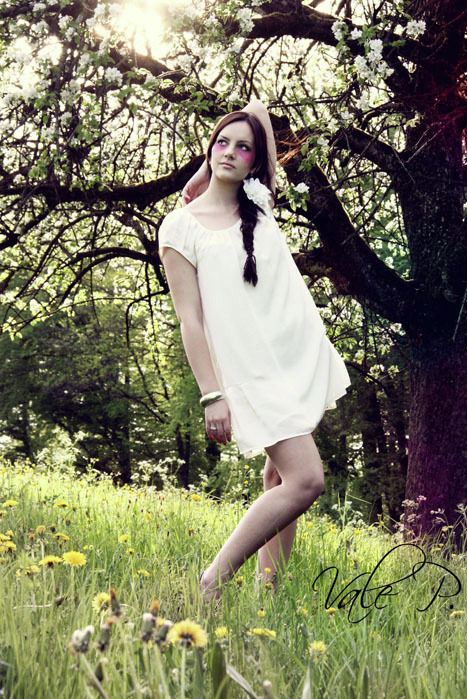   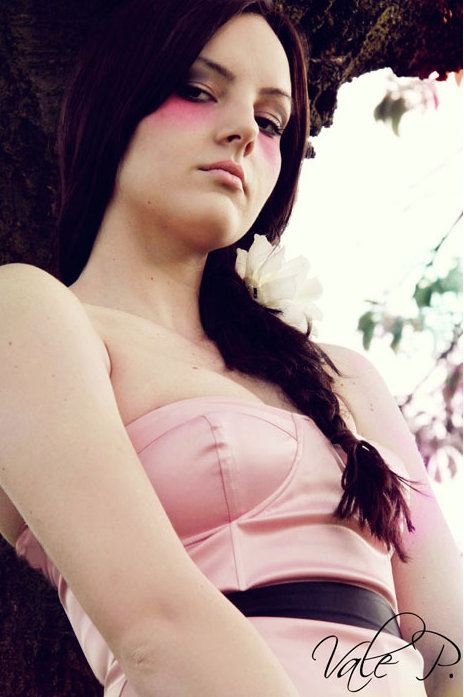     The Breadcrumbs widget will appear here on the published site.
Show us your tats! Do you have an enviable tattoo? Does it feature something romantic, historical, otherworldly, nostalgic, and/or magical? Quail Bell (and our beloved readers) wants to see it! Who knows? We might even interview you. Send a snapshop to editor@quailbellmagazine.com. Note: Please do not submit photographs of tattoos in places you would not want Queen Victoria, Little Red Riding Hood's grandmother, or Snow White to see. We mustn't frighten our delicate lady friends. The Breadcrumbs widget will appear here on the published site.
All Dressed Up Quail Bell Executive Editor, Christine Stoddard, and Contributing Writer, Erin Maloney, outside of Godfrey's in Richmond, Virginia for Sunday Drag Brunch. GodfreysVA.com 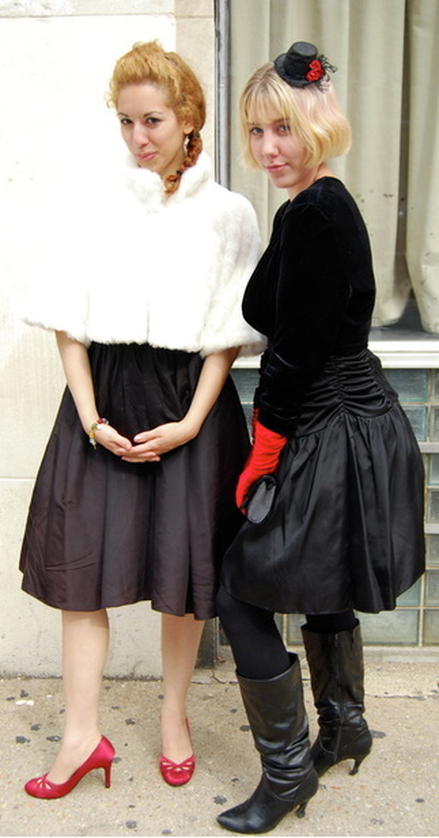 The Breadcrumbs widget will appear here on the published site.
The Law's Art By Ani Mikaelian QuailBellMagazine.com  Just like any other theme known to mankind, the fantasy realm holds quite a lot of interest, especially those with a wide range of imagination. When you think about it, there is really no limit or point of depth you can reach where it will be considered too much, and that is probably why it is known as the fascination it is today.
Just like many other artists, Stephanie Pui-Mun Law has been painting and processing the images of her mind down to a canvas ever since her immature years, however it officially struck her as a career in 1998. Having authored and illustrated in the past, it would be difficult to say she hasn’t seen “it all.” The Breadcrumbs widget will appear here on the published site.
Haven't read it yet? It's enchanting! By Michelle Labbé QuailBellMagazine.com  Ali Shaw’s debut novel, The Girl with Glass Feet (Henry Holt, 2010), has that elusive timeless quality of a true fairytale-- reminiscent of the stories that have come before, yet with enchantments all its own. The story, while suffering occasionally from a less-than-expert hand, is haunting and atmospheric. Shaw skillfully creates a host for his narrative on the fictional, perpetually wintry island of St. Hauda’s Land that resonates with the novel’s themes of coldness, detachment and alienation.
The Breadcrumbs widget will appear here on the published site.
We want your stuff. Become a part of Quail Bell today.  The Breadcrumbs widget will appear here on the published site.
To do: Add this to your reading list. By Miranda Schmidt QuailBellMagazine.com  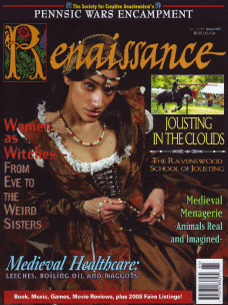 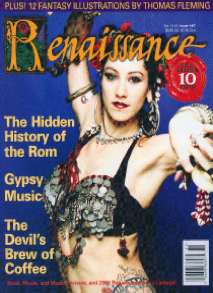 Not just for the committed RenFaire attendee, Renaissance Magazine makes a great read for anyone with an interest in medieval or Renaissance history, culture, or art. A resource known for its articles on period costume and weaponry, the magazine also publishes poetry, comics, recipes, and book reviews. Renaissance Magazine got its start in 1994 when its creator, Lady Kimberly of Sherburne Isle, was having trouble finding resources for her Renaissance wedding. It was then that she decided the world needed a magazine dedicated to all things Renaissance. The first issue appeared in January 1996, and this January marks the magazine’s 76th issue. This month’s issue features Shawnie Kelley’s article on the Feast of Fools, a medieval post-Christmas holiday celebrating January debauchery. Other highlights from this month’s issue include Jacob Stutsman’s fascinating article on medieval astrology, Cass Morris’ description of the scandalous flirtations of Elizabeth Tudor (the future Virgin Queen) and Thomas Seymour, and Dionne Obeso’s "How to Fit a Renaissance Bodice," a must-read for any fairgoer considering a costume. Renaissance Magazine is a unique resource for Renaissance Faire enthusiasts or anyone who wants to learn more about this fascinating time period and the contemporary subcultures surrounding it. And don’t forget to test your knowledge with the Renaissance themed crossword on the last page! The Breadcrumbs widget will appear here on the published site.
Chalk it up... Our presence prevails!    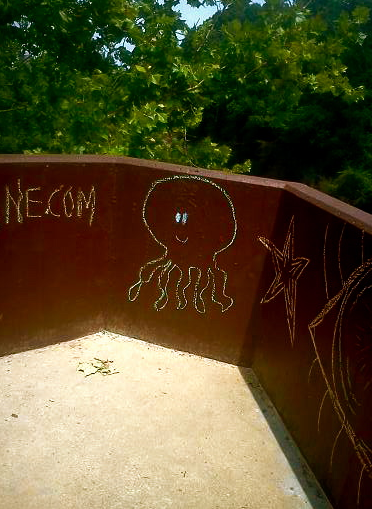    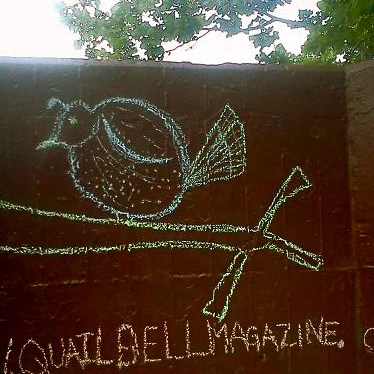        The Breadcrumbs widget will appear here on the published site.
ROYGBIV Glamor! By Doe Deere QuailBellMagazine.com  Rainbows are a little slice of magic in the ordinary world. Rainbows in the winter? Even better! As winter continues its bewitching dance, we invite you to cast a spell of your own and illuminate the dark nights with flashes of bright color. Follow this tutorial to learn how you can sprinkle your own look with this skyward splendor! Color gradation - or rainbow effect - is achieved through blurring the lines between colors such as blue, green, yellow, pink, and purple. Lucky for you, Lime Crime Magic Dusts come in every color of the rainbow! Prep your lids with Eyeshadow Helper, focusing on the crease - this will ensure your eyeshadow stays vibrant and crease-free all day. You can even dab some on where the 'ray's will go! The beauty of this look is that you can use any colors you like such as Troubadour, Empress, Abracadabra, Twilight, Circus Girl, or Shoe Addict. Starting at the lash line, sweep colors up over the brows, over the forehead and up into the hairline. Blend edges together with a clean, fluffy brush - but don't overblend. You want each color to be distinct! Apply black kohl on waterline and black mascara to top and bottom lashes. Drag liquid liner across top lashes. Apply extra-big falsies to top lids (we're using a pair by Make Up For Ever). Finish with a smooth stroke of Airborne Unicorn lipstick. Voila! The Breadcrumbs widget will appear here on the published site.
Lulled by Medieval HarpsBy Christine Stoddard QuailBellMagazine.com    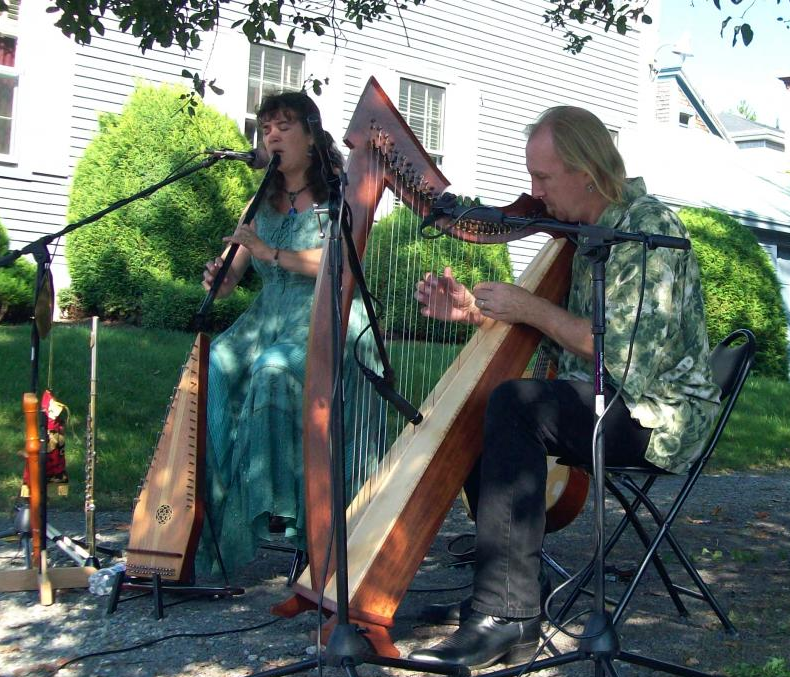 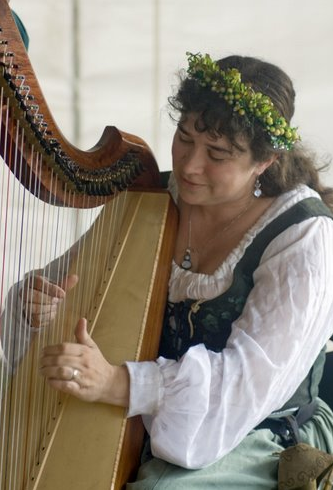 You are a forest sprite, zipping under the roofs of toadstools or over the limbs of yearling trees. The sunshine soaks your hair as the most glorious sounds flood your pointy ears. Taxes, standardized tests, and traffic jams don't exist. Nirvana? Maybe, but not the band. A different musical group's responsible for this particular heaven. Meet The Harper and the Minstrel, a husband and wife duo who specialize in "instrumental Renaissance, Celtic & Medieval music."
Anyone who wants earthy and serene tunes can't help but love this heart-dappling music. The Harper and the Minstrel draw their inspirations from early European traditions, Sting, Yes, Loreena McKennitt, and other melodic influences. Quail Bell interviewed Jay and Abby Michaels to hear what they have to say about their art: The Breadcrumbs widget will appear here on the published site.
Coeur City: Bushwick, BrooklynBy Christine Stoddard QuailBellMagazine.com "Love can exist anywhere--even in the greatest filth, the greatest stink, and the greatest darkness--because love lives in memories and memories are ubiquitous. Nobody can completely escape nostalgia." -Luna Lark 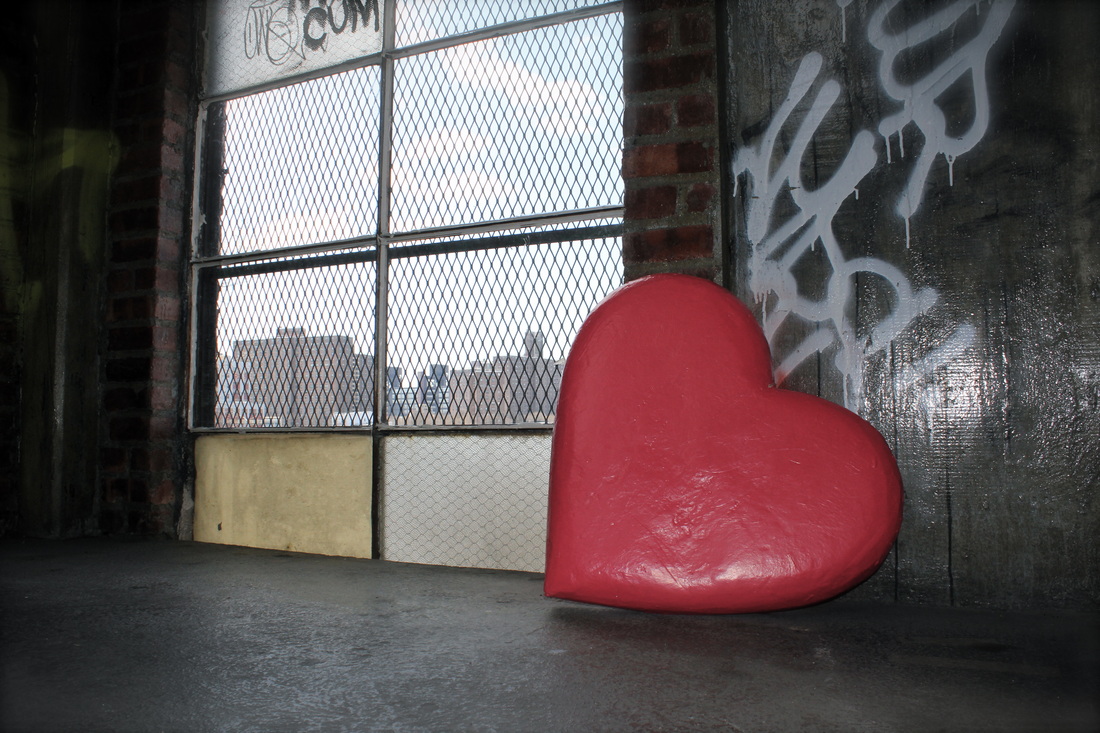 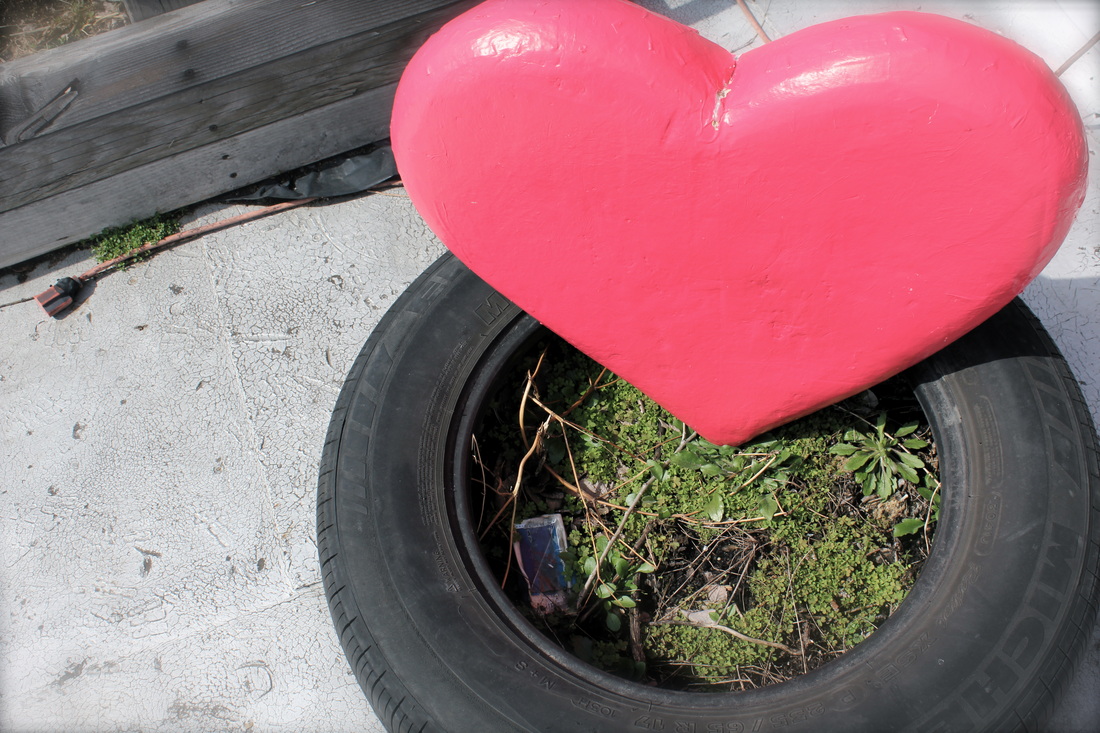  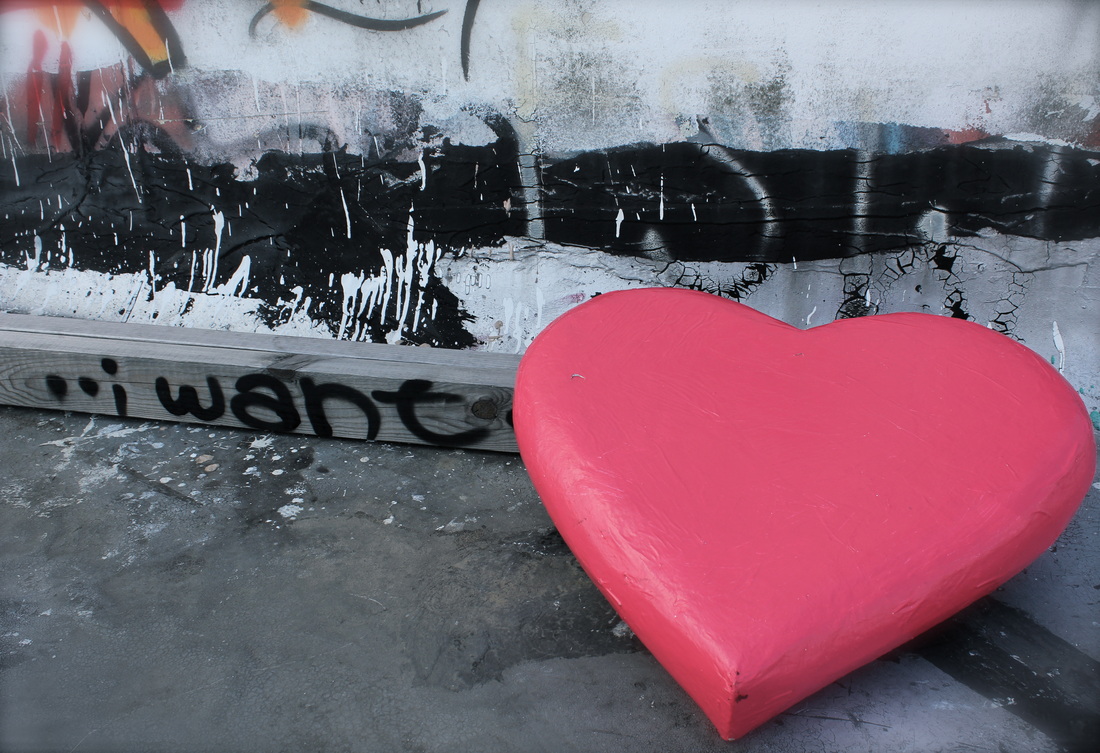  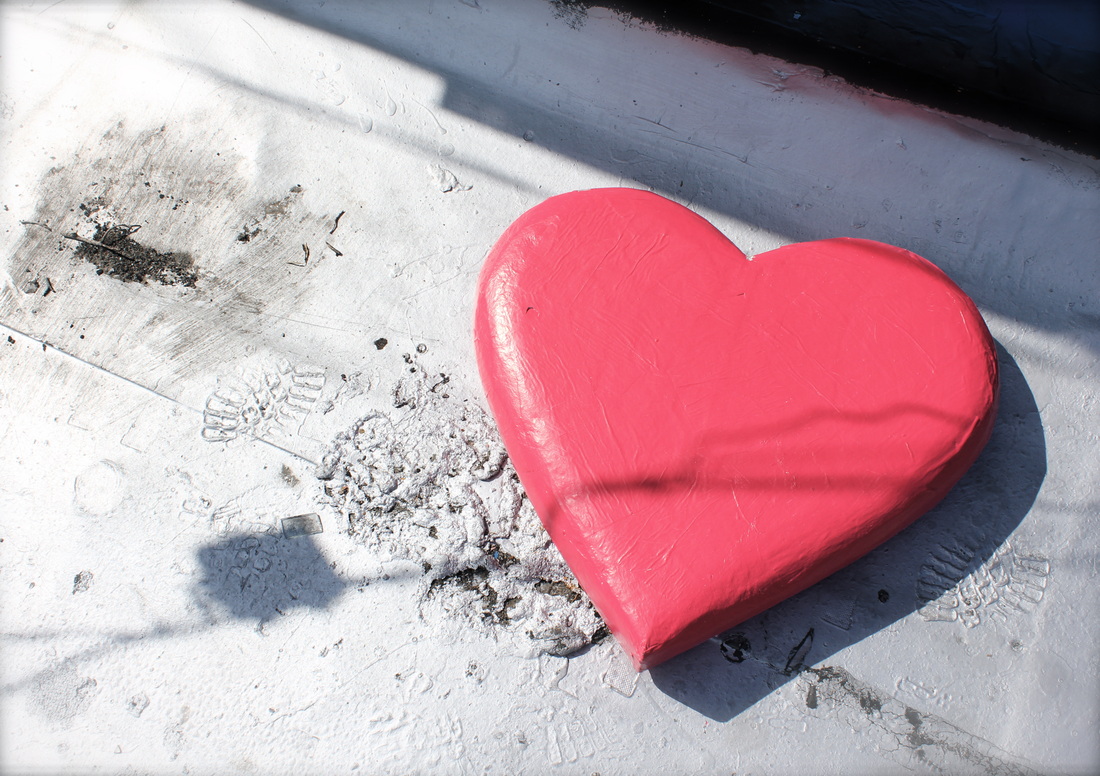    The Breadcrumbs widget will appear here on the published site.
Sponsor our first 'zine.Advertise! Advertise! Advertise!  The Breadcrumbs widget will appear here on the published site.
A Taste of Victoriana & Nature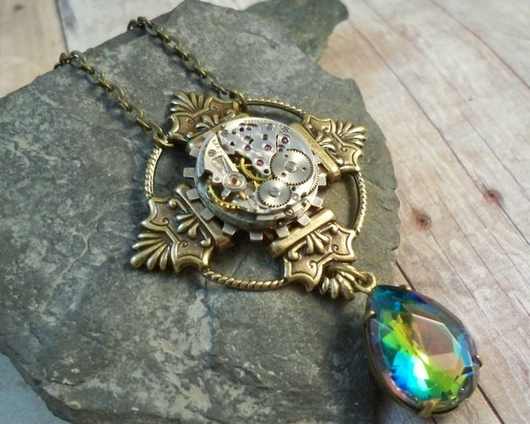 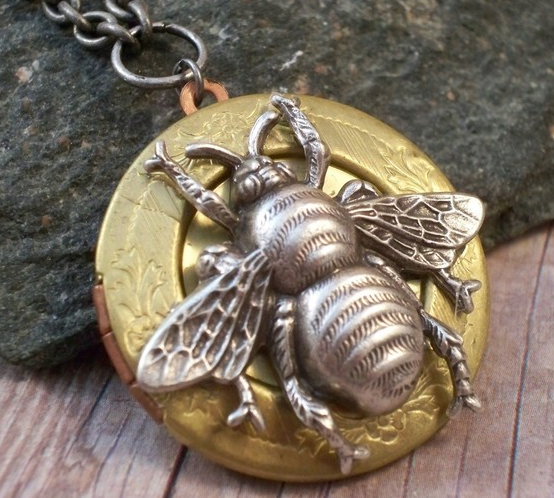 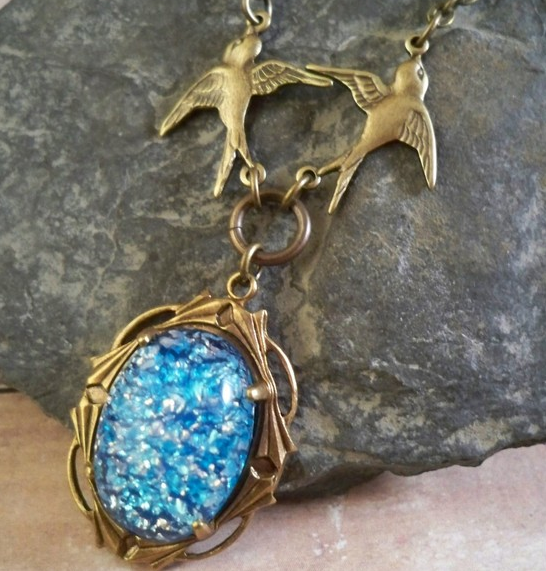 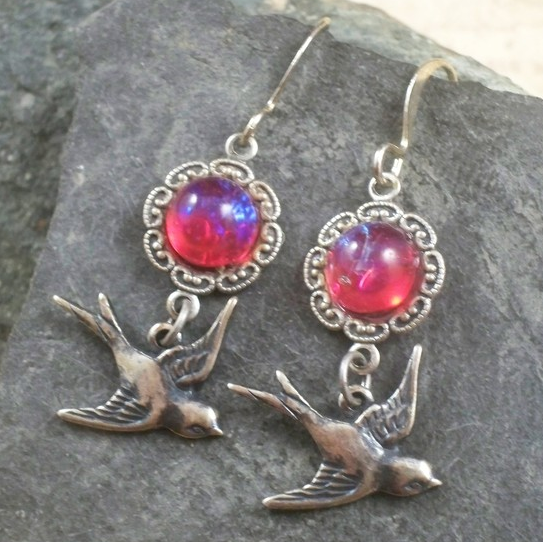 By Margaret Amonette
QuailBellMagazine.com Simply Willow is an Etsy site that showcases the talents of self-described “hippy” jewelry maker Willow (Jodi) Cartwright. Her eco-friendly jewelry line out of Allegan, Michigan draws material exclusively from recycled and vintage materials. Her merchandise includes pendant necklaces, charm necklaces, and earrings, and her design categories include Victorian jewelry, Steampunk Jewelry, and Nature-inspired Jewelry. The steampunk pieces are appropriate for those looking for Victorian-influenced designs with very modern and almost industrial touches. The Victorian pieces exhibit a more period-centered, authentic look. The nature-inspired category is for bumblebee lovers, with many featuring gorgeous, multi-colored opals. Cartwright’s jewelry proves to be unique, ornate, and aesthetically rich, nodding to her interest in spirituality and Mother Earth. It's also trendy; I've seen similar (though mass-produced and eco-unfriendly) pieces at Urban Outfitters. Consider Simply Willow next time you’re in need of a jewelry fix or birthday present. Support the independent artisan and green movements, and look stunning as a consequence! The Breadcrumbs widget will appear here on the published site.
Nostalgic little fledglings love paper!  The Breadcrumbs widget will appear here on the published site.
Oh the PollybilitiesBy Christine Stoddard QuailBellMagazine.com 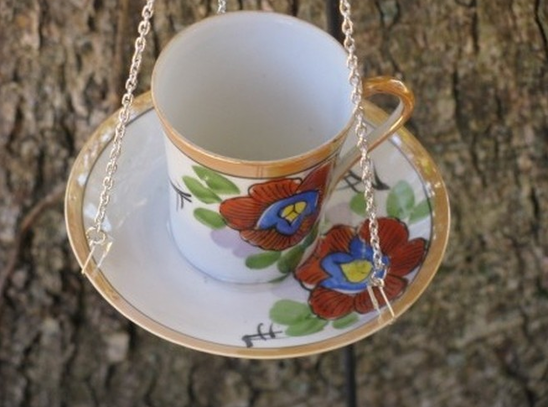 We snagged an exclusive interview with Polly White, founder of Oh the Pollybilities, a crafty line featuring birdhouses and garden decorations made from teacups and teapots! Here's what this Virginia-based artist has to say about her coo-worthy creations:
How on earth did you come up with such an adorably quirky form of "green" art? It started with the teacups. I love thrift shops and junk stores, the dirtier the better. So I kept running across little abandoned teacups. I wanted something to do with them. I like the feeders you see where the cups are on a pole, but they seem so static. There is no life in them. When I hung them instead of skewering them, they were affected by the world around them. They blew in the breeze. It gave them life. Inevitably if you are looking for cups, you run across pots and I often found myself with teasets since they were sold that way. I had the drill and I had the bits for some reason (I think I had bought a set of various sizes just to see what I could do). It was a matter of looking at the shelf one day, seeing the two things together and saying, "A-HA!" The Breadcrumbs widget will appear here on the published site.
Field FashionBy Nicole Duda QuailBellMagazine.com As the days (or at least nights) begin to cool off ever so slightly, consider layering your summer clothes and mixing textures for a little hippie flair.       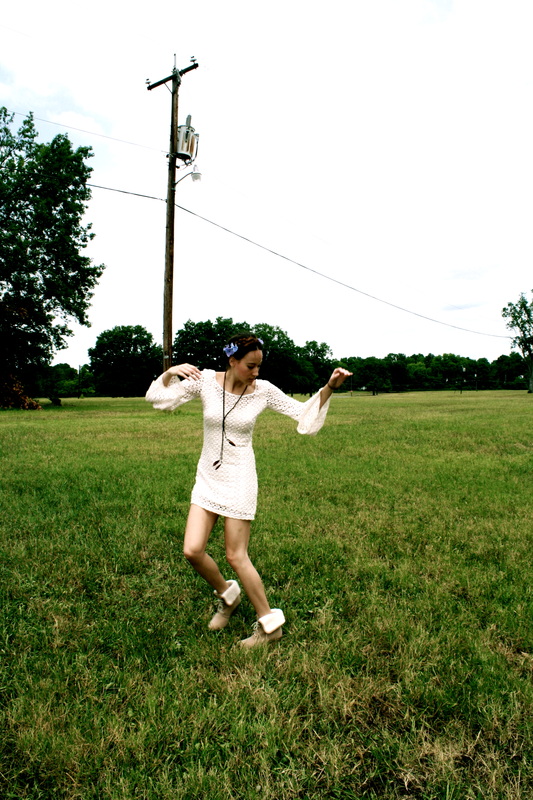   |





© Quail Bell Press & Productions, 2024. Founded by Christine Stoddard. Based in Brooklyn. Contact us.